
Tree Risk Surveys and Assessments in Cumbria and the North West
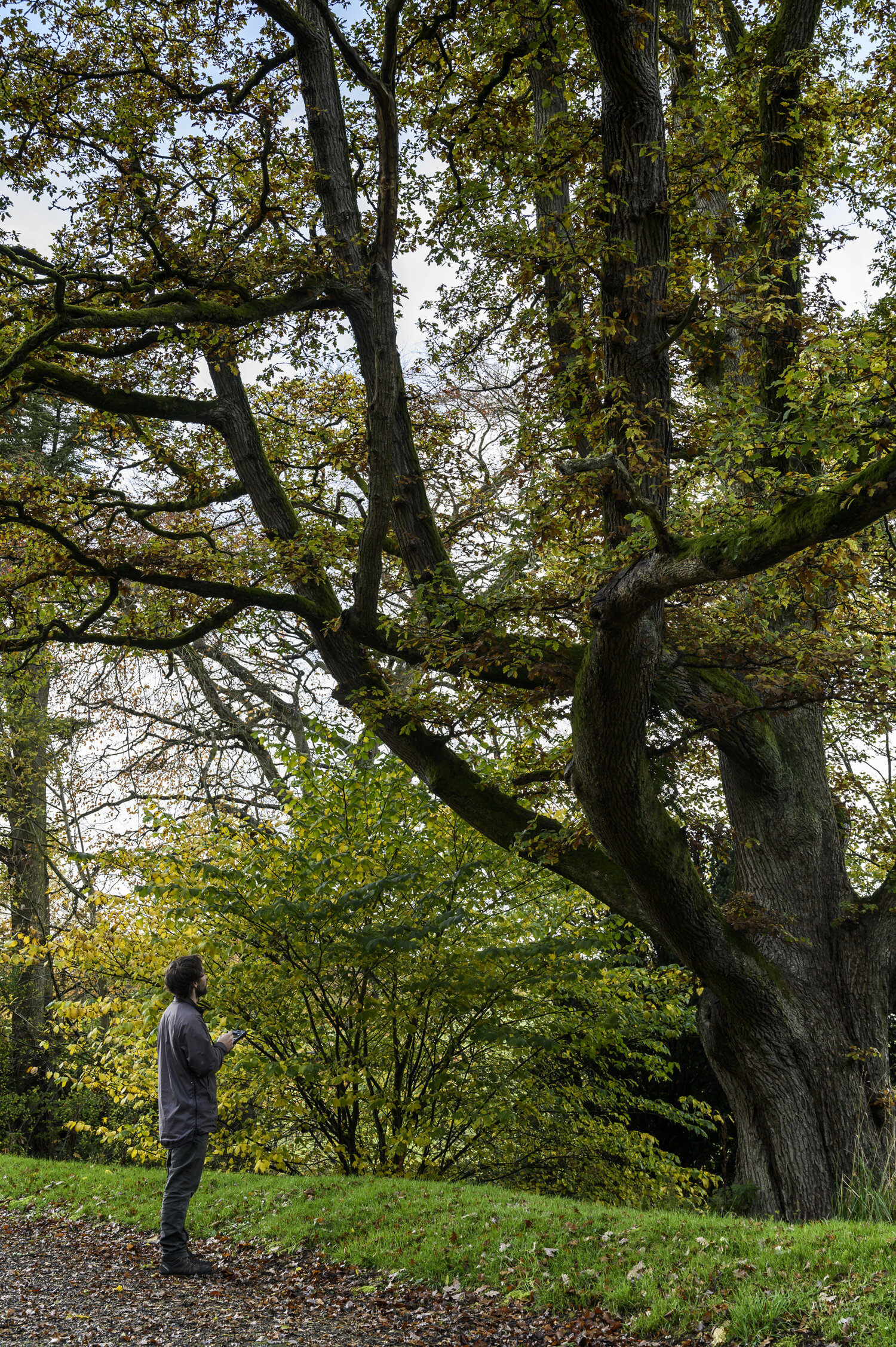
Tree Risk Assessments & Tree Safety Surveys in Cumbria and the North West.
Evolve Tree Management provides professional tree risk assessments, tree safety surveys and arboricultural reports throughout Cumbria, the Lake District and the wider North West.
Surveys are undertaken for individual trees and larger tree populations on estates, schools, commercial properties, farms, public spaces and privately owned land. Each inspection is proportionate to the site and provides clear recommendations where work, further investigation or future monitoring is required.
Based near Penrith, inspections are undertaken by Josh Ledbury, a qualified arboricultural consultant and Professional Tree Inspector with more than 15 years of practical arboricultural experience.
Those responsible for trees have a duty to take reasonable care to manage foreseeable risks to people and property. A proportionate program of inspection and re-inspection can help identify significant concerns, prioritise appropriate work and provide a clear record that tree safety is being managed responsibly.
When Is a Tree Risk Assessment Recommended?
A tree risk assessment may be appropriate where you are responsible for trees that could affect people, buildings, roads or other areas of regular use.
Common reasons for commissioning a survey include:
Establishing a reasonable system of tree inspection and risk management
Assessing trees near buildings, roads, paths, car parks or public areas
Investigating visible defects, decline, decay or storm damage
Responding to concerns raised by occupants, neighbours, insurers or local authorities
Where a tree is protected by a Tree Preservation Order or is located within a Conservation Area, the report can also help support advice or an application relating to any recommended tree work.
Assessing trees affected by ash dieback or other pests and diseases
Prioritising work across an estate or larger tree population
Obtaining independent advice before arranging tree work
Establishing an appropriate reinspection programme
Estates and landowners managing trees across rural properties, parkland and woodland
The purpose of the survey is not necessarily to recommend extensive tree work. It is to identify significant concerns, place them in context and provide practical, proportionate management recommendations.
What Does a Tree Risk Inspection Involve?
The initial assessment is normally undertaken visually from ground level. The inspection considers the tree, its surroundings and the potential consequences of failure rather than assessing defects in isolation.
The survey may consider:
Species, approximate dimensions and life stage
Crown condition, vitality and foliage density
Deadwood, damaged branches and previous failures
Structural form of the stem and primary unions
Cavities, decay, cracks, wounds and fungal fruiting bodies
Rooting conditions and visible changes around the base
Exposure, ground conditions and recent site disturbance
Proximity to buildings, highways and areas of regular use
The likelihood and potential consequences of tree or branch failure
The need for work, monitoring or further investigation
Where an important part of the tree cannot be adequately inspected, for example because it is obscured by dense ivy, this will be identified as a limitation.
Specialist investigation or an aerial inspection may be recommended where the ground-level assessment does not provide enough information to reach a proportionate conclusion.
What Is Included in the Tree Risk Report?
The level of reporting is tailored to the site and the type of survey commissioned. Depending on the brief, the report may include:
A description of the site and survey scope
Details of the inspection method
A tree schedule or schedule of identified concerns
Tree locations or a tree survey plan
Observations regarding condition and significant defects
An assessment of tree-related risk
Prioritised management recommendations
Photographs where they assist interpretation
Recommended timescales for tree work
Requirements for further investigation
Suggested reinspection intervals
Relevant survey limitations
Recommendations are written to be clear and usable by the tree owner, property manager and any tree contractor appointed to undertake the work.
Practical and Proportionate Tree Risk Management
Trees provide substantial environmental, landscape and amenity benefits, and zero risk cannot be achieved. Effective tree management therefore requires a balanced approach that addresses significant risks without defaulting to unnecessary pruning or removal.
Recommendations are based on the condition of the tree, the likelihood of failure, the nature and frequency of use around it and the potential consequences if failure occurred.
Where appropriate, assessments are informed by Quantified Tree Risk Assessment principles alongside professional judgement and practical arboricultural experience.
The aim is to provide advice that is defensible, realistic and proportionate to the site.
Why Choose Evolve Tree Management?
Evolve Tree Management is an independent arboricultural consultancy based near Penrith and serving clients throughout Cumbria and the North West.
Qualified and Experienced
Tree inspections are undertaken by Josh Ledbury, whose qualifications and training include:
Professional Tree Inspector
Quantified Tree Risk Assessment training
Technician’s Certificate in Arboriculture
More than 15 years of practical arboricultural experience
Professional indemnity and public liability insurance
Independent Advice
The primary service is professional inspection and consultancy. Recommendations are based on the findings of the survey and the objectives of the client rather than on generating unnecessary tree work.
Practical Recommendations
Extensive practical experience helps ensure recommendations are realistic, clearly specified and capable of being implemented by a competent tree contractor.
Clear Reports
Reports are designed to explain what has been found, what action is recommended and the timescale within which it should be completed.
Local Knowledge
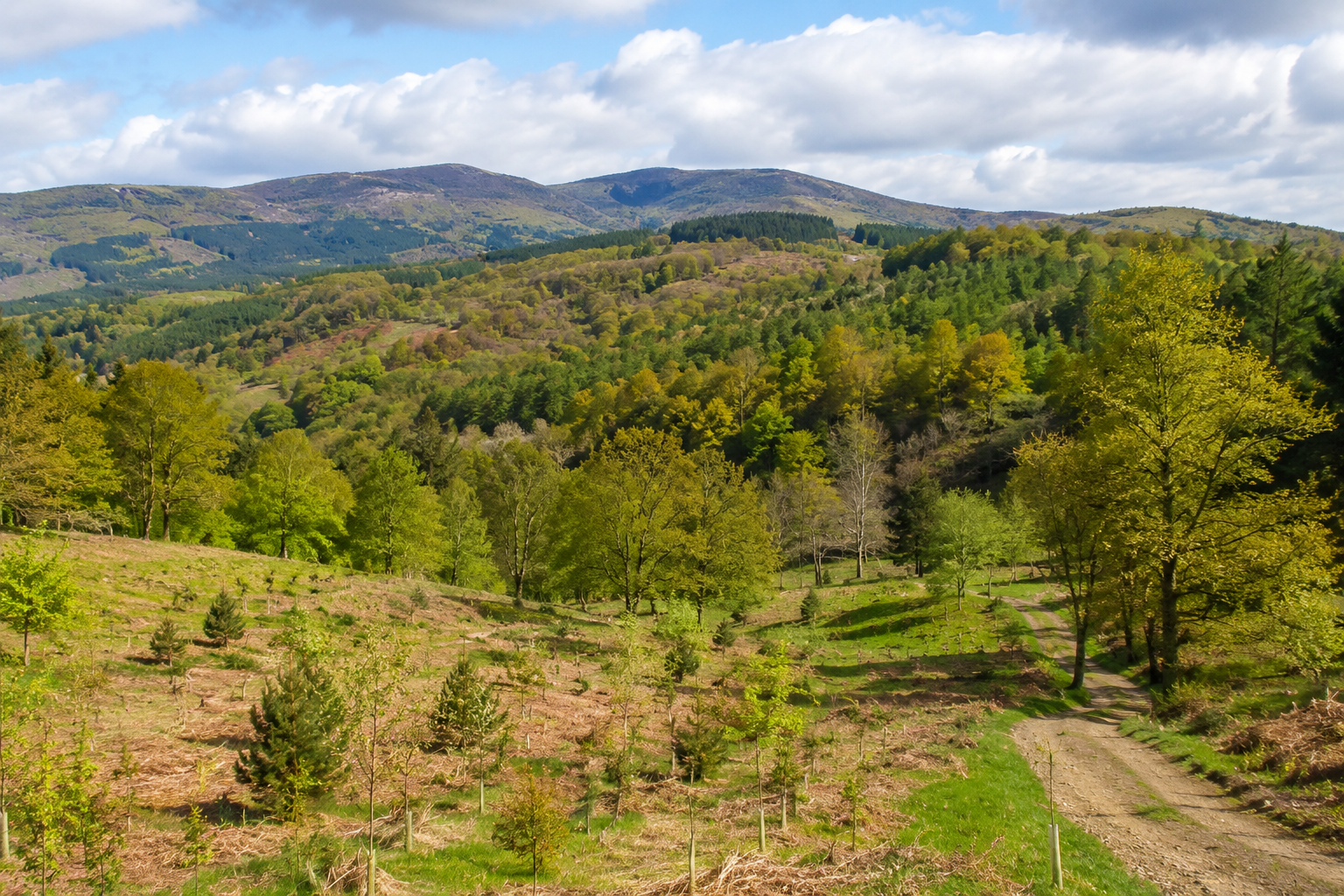
Based near Penrith, Evolve Tree Management regularly works across Cumbria, including Carlisle, Keswick, Kendal, Cockermouth, Appleby-in-Westmorland, Ambleside, Windermere, the Eden Valley and the Lake District.
Tree Risk Surveys Across Cumbria
Tree risk assessments, condition surveys and arboricultural reports are available throughout Cumbria and surrounding areas.
The service regularly covers:
Penrith and the Eden Valley
Carlisle and north Cumbria
Keswick and the northern Lake District
Cockermouth and west Cumbria
Kendal and south Cumbria
Appleby-in-Westmorland
Ambleside and Windermere
The Lake District National Park
North Lancashire
The western North Pennines
Southern Scotland
Frequently Asked Questions
-
There is no single inspection interval suitable for every tree or site. The appropriate frequency depends on tree condition, site use, previous findings and exposure to changing circumstances.
The report can recommend a suitable reinspection interval. Some trees may require an earlier specific review, while stable tree populations may be suitable for a longer cyclical inspection programme.
Inspections may also be advisable after exceptional storms, significant construction activity or substantial changes in tree condition.
-
Not necessarily. A walk-through tree risk assessment can inspect the tree population while recording only trees that require action, monitoring or further investigation.
Where a complete management record is needed, a tree inventory and condition survey can record all significant trees or groups.
-
Yes. Where work is reasonably required, the report will specify the recommended action and an appropriate completion timescale.
The report may also identify trees requiring no immediate work, trees that should be monitored and cases where further investigation is appropriate.
-
Assessments can be informed by Quantified Tree Risk Assessment principles where appropriate. The method used will depend on the site, the survey brief and the level of information required.
Professional judgement and a proportionate assessment of the tree, its surroundings and the potential consequences of failure remain central to the inspection.
-
Yes. Ash trees can be assessed for visible symptoms, structural condition and the level of exposure presented to surrounding areas.
Seasonal limitations may apply because some symptoms are easier to assess while trees are in leaf. These limitations will be explained where relevant.
-
Yes. Surveys can cover trees beside roads, footpaths, car parks, play areas and other publicly accessible locations.
The level and frequency of use around each tree forms an important part of the assessment.
-
No. A tree risk survey assesses tree condition and potential risks to people or property.
A BS5837 tree survey is undertaken where trees may affect, or be affected by, a proposed development. It records tree quality and development constraints to support the design and planning process.
Where trees are located on or adjacent to a development site, a BS5837 survey and arboricultural report may be required.
-
The cost depends on the number of trees, the size and accessibility of the site, the survey format and the level of reporting required.
Providing the site address, an approximate number of trees, photographs and a plan of the survey area will normally allow an initial quotation to be prepared.
Evolve Tree Management also provides BS5837 tree surveys for planning applications, woodland management plans and advice concerning Tree Preservation Orders and Conservation Areas. For an overview of all services, visit the Tree Survey Cumbria page.
Contact us.
Evolve Tree Management
Josh Ledbury
Greystoke,
Penrith,
Cumbria
07754913251
contact@evolvetreemanagement.co.uk